Chapter 4: The Princess and The Harpy
Daddy issues. Who knew they came in flavors?

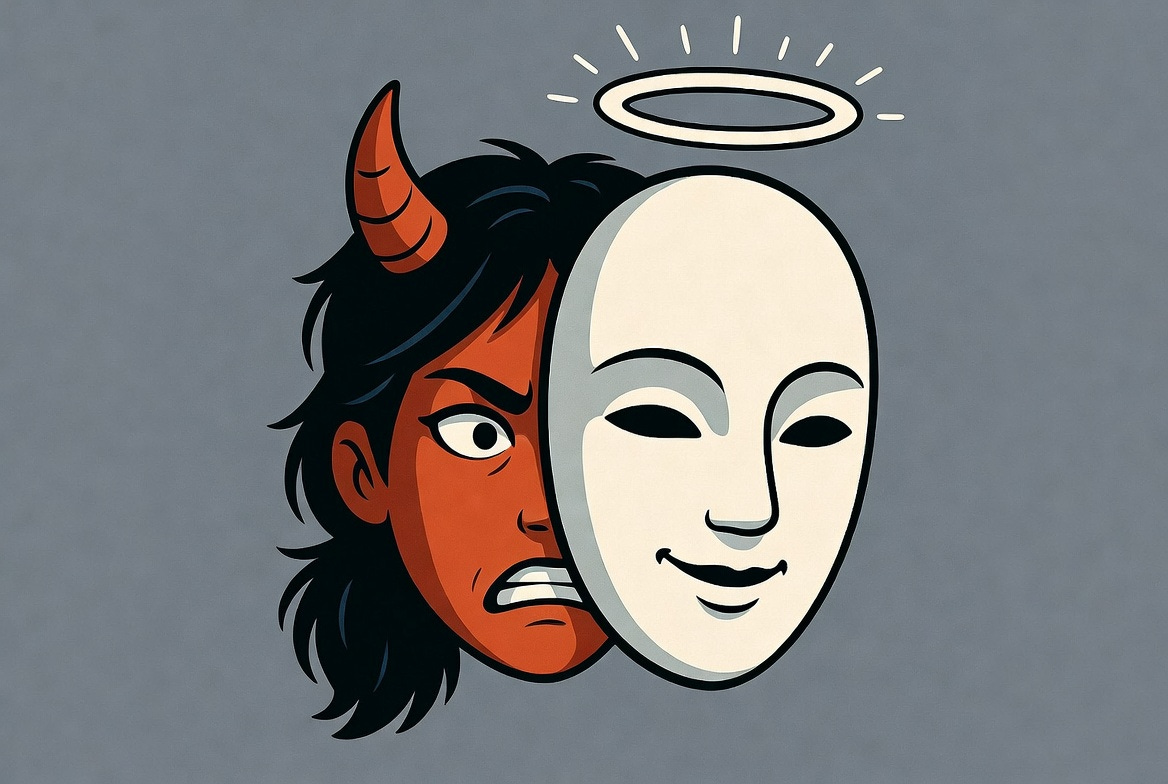
Note: So far the articles I’ve posted have been had a relatively broad focus, talking through certain periods and key events. And they’ve been heavy, to say the least. So to break it up a little, I’ll try to keep the focus tighter, shorter, and, hopefully, not sound quite so grim this time around. -Fritz
I learned about daddy issues in a wife or girlfriend the hard way. At 20 years old I hadn’t the slightest clue what any of it meant but by the time I was 31 I’d learned. Or thought I had. Then I met Anne and got another education entirely. Turns out daddy issues come in as many flavors as there are Pokèmon, but you definitely don’t want to catch them all.
Meg
My first marriage, to Meg (not her real name) was, relatively speaking, as normal as could be. We’d been high school sweethearts, known each other from church as young kids, and her step-dad had even been my scout master for a while.
I’ll skip all of the historical reasons of how Meg ended up with her issues, as that alone would deserve an entire essay by itself. But I will address pertinent behaviors so the example becomes clear.
Meg and I were married quite young at 19 and 20 years old, respectively; not necessarily a bad thing in itself. But as we aged together it became apparent that her emotional maturation was not keeping pace and this was showing up in all sorts of ways.
⁃ Constantly embellished stories for dramatic affect like a teenager seeking drama.
⁃ Irresponsible spending on completely unnecessary items.
⁃ Relationships with other people were often “socially stuck”, going from “wonderful” to “terrible” in a very high school clique-like manner.
It was like living with a teenager stuck in the body of a woman, with the root of those behaviors stemming from Meg’s physically and emotionally absentee father figures. Overall, I think of these as “negative” polarity of daddy issues, though hardly the worst.
Anne
Going into my second marriage, I at least had some idea of avoiding the mistakes of the past, so I did what I thought was due diligence regarding Anne’s relationship with her father. And on the outside it seemed great - she always spoke highly of him and he was genuinely a good man as I got to know him. But there was an undercurrent there that I didn’t recognize from my prior experience.
When I started writing this essay, I had in mind that Anne was the polar opposite of Meg when it came to daddy issues but, the brutal truth is, Anne’s princess vibe merely served to hide what were today’s most common stereotypes in the red pill world. As a teen Anne acted out by getting into alcohol, drugs, and sex fairly early (negative polarity). From a young age, she’d racked a fairly significant count (especially for a Mormon) of sexual partners over the course of five years, had an arrest as a minor in possession of alcohol, and a pretty regular use of drugs. Self-inflicted tattoos. Stayed in touch with former sexual partners, even after we were married. You get the idea…
To keep this history hidden from any potential new partners later, though, she shifted to being “The Princess”. (Still daddy issues, positive polarity). This came out, for example, in the form of constant comparisons to how I did things as opposed to how her father would have done them, continual annoyance that I couldn’t pay for things like he did at the peak of his career as a doctor while I was still in the early years of my own IT career (usually coupled with her own REALLY bad financial advice), and regular complaints that her siblings got things that she felt entitled to. And, she used and manipulated her dad, very much weaponizing his good nature.
Lessons Learned
I struggled as I wrote this article. Not because it was such a difficult topic but because I kept having Aha! moments as I went along that shifted my perspective and, I think, trued it up some.
Here are some of the key takeaways I would have men of all ages pay attention to if they’re out in the dating marketplace.
#1. If you aren’t borderline savant in reading people and their relationships with others, you need to take extra time before getting entangled in a serious relationship. Conversely, if you really can read people that well, you might take longer getting to know someone because you know better.
Over the years, as Anne’s mask slipped more and more and I learned more about her real past, it became abundantly clear that I’d been duped. The very issues I’d been on the lookout for were there, but I didn’t have the experience to really sus them out as quickly as the relationship progressed.
#2. The “daddy’s little princess” vibe is a red flag all its own. Watch it closely and you’ll see the cracks start to appear, especially when you ask questions about it.
#3. In the end, they will tell on themselves. Narcissists’ behaviors will sooner or later revert to their natural state; the mask will slip and you’ll not only see what those daddy issues are about, you’ll get to be the target of them, too.
Proceed wisely, my friends.